JPG40504 wrote:I believe(not due to some knowledge I am privy to) the extended(dog) points are flat ended. ........... They also are made with nylon extensions(dog). I would think one of these would be appropriate for the SS quill /groove application.
Typically, nylon tips are used when either cosmetic marring or upsetting the mating surface is a concern. A nylon tip half dog would work fine in the quill application but not necessary from an engineering standpoint. Where nylon tips are most commonly using is in tight tolerance hole and shaft applications where you can't afford to disrupt the shaft surface at all since it will displace material and in turn would not fit into something else, typically a precision ID hole.
SO How does a half dog differ from a dog that is NOT a HALF dog???
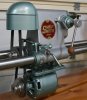
BTW after looking at a used quill feed assembly (purchased as a contingency in case mine needs repair AND SS in no longer around:eek: ) it appears that the set screw initially holding it in is a serrated cup. The mating surface is marred with striations created by the serrations. Apparently the Setscrew was loose while SS was running, or was not fully retracted when the assembly was removed.
╔═══╗
╟JPG ╢
╚═══╝
Goldie(Bought New SN 377425)/4" jointer/6" beltsander/12" planer/stripsander/bandsaw/powerstation /Scroll saw/Jig saw /Craftsman 10" ras/Craftsman 6" thicknessplaner/ Dayton10"tablesaw(restoredfromneighborstrashpile)/ Mark VII restoration in 'progress'/ 10E[/size](SN E3779) restoration in progress, a 510 on the back burner and a growing pile of items to be eventually returned to useful life. - aka Red Grange
Man who ever knew there was so much info about set screws????
I never heard of a half dog before and then Bill Mayo introduces a copper/brass capped set screw.
Before this thread I thought set screws were the invention of Murphy (originator of the Murphy's law) to insure you either didn't have the right hex wrench to get the things out or you would drop them in saw dust and spend the rest of the day trying to find the dropped one or its replacement.
Maybe a torch (from the inside) would help. Have you tried acetone(nail polish remover)? Keep it OFF painted surfaces!
╔═══╗
╟JPG ╢
╚═══╝
Goldie(Bought New SN 377425)/4" jointer/6" beltsander/12" planer/stripsander/bandsaw/powerstation /Scroll saw/Jig saw /Craftsman 10" ras/Craftsman 6" thicknessplaner/ Dayton10"tablesaw(restoredfromneighborstrashpile)/ Mark VII restoration in 'progress'/ 10E[/size](SN E3779) restoration in progress, a 510 on the back burner and a growing pile of items to be eventually returned to useful life. - aka Red Grange
IF (and only if) you reach the point where the only other remaining choice is drilling it out, there is one other desperation method that you can try:
use a hex rod the right size for the allen screw (or allen wrench if you don't have one)
put the rod in the screw and use a wrench or vice grips to torque the rod as much as you dare (I'd try tightening first, but that's just me)
while it is torqued, rap the end of the rod firmly with a hammer to vibrate the rod.
this is a variant on the old trick to break loose stubborn lug bolts with an x-wrench.
down side: if you hit it too hard, you may shear out the threads.
thinking about it, have you tried a hammer drill/driver with a hex insert?
the hammer effect should do everything I suggested above and you could try starting at a low torque setting and work up to where it either breaks loose or runs out of settings. just be careful that you don't accidentally lock the driver in the on position.
FWIW, I once saw my father precision drill out a broken bolt, clean the hole threads with a dental pick, run a tap through the hole to clean up some burrs, and had the original threads effectively back. he was a very good machinist and still considered himself lucky to get away with this one.
Ivan
Mark V (84) w/ jigsaw, belt sander, strip sander
ER10 awaiting restoration