Page 1 of 2
DC-6000 Motor
Posted: Thu Sep 02, 2021 12:40 pm
by DLB
Due to an error on my part, I have some information on the internals of the DC-6000 Motor to share. I backed out the external ground screw, first pic, and learned that there was a nut and wiring connection on the inside. (Learning things the hard way is good for retaining the lesson.

) At that point I felt it was prudent to pop the hood so the parts could be re-attached. And as long as it was open I might as well share. I also plan to re-clock the back end-cap 180 degrees because Dusty mentioned that he thought there was interference with the housing if one re-clocked the whole motor. This will create a more direct route for the cables to exit the main housing, lower right on the motor, and eliminate the turns near the end of the motor housing.
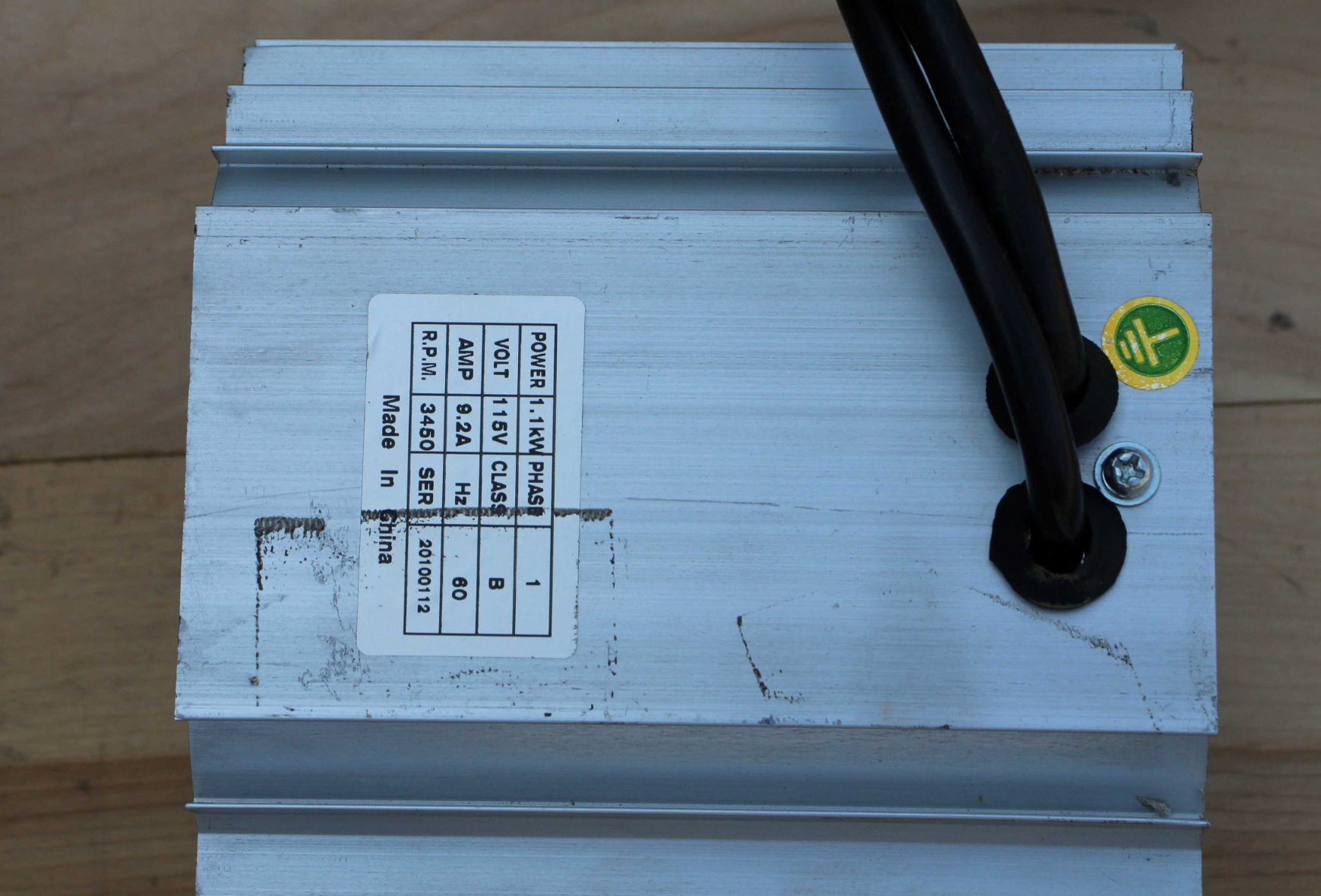
- Label and Cables
- IMG_9093 (2).JPG (228.01 KiB) Viewed 956 times
Of note: 1) My motor housing already had sawdust inside it after less than two hours of operation, none actually as a dust collector. As mentioned elsewhere, my dust collector leaked quite a bit of sawdust exiting the grate where the motor and main housings meet. 2) The motor internals exhibit no obvious sign of circuitry common to others, like: terminal connections, start switching circuitry, thermal or overcurrent protection, etc.) 3) The stator coils are somewhat aft compared to other motors.
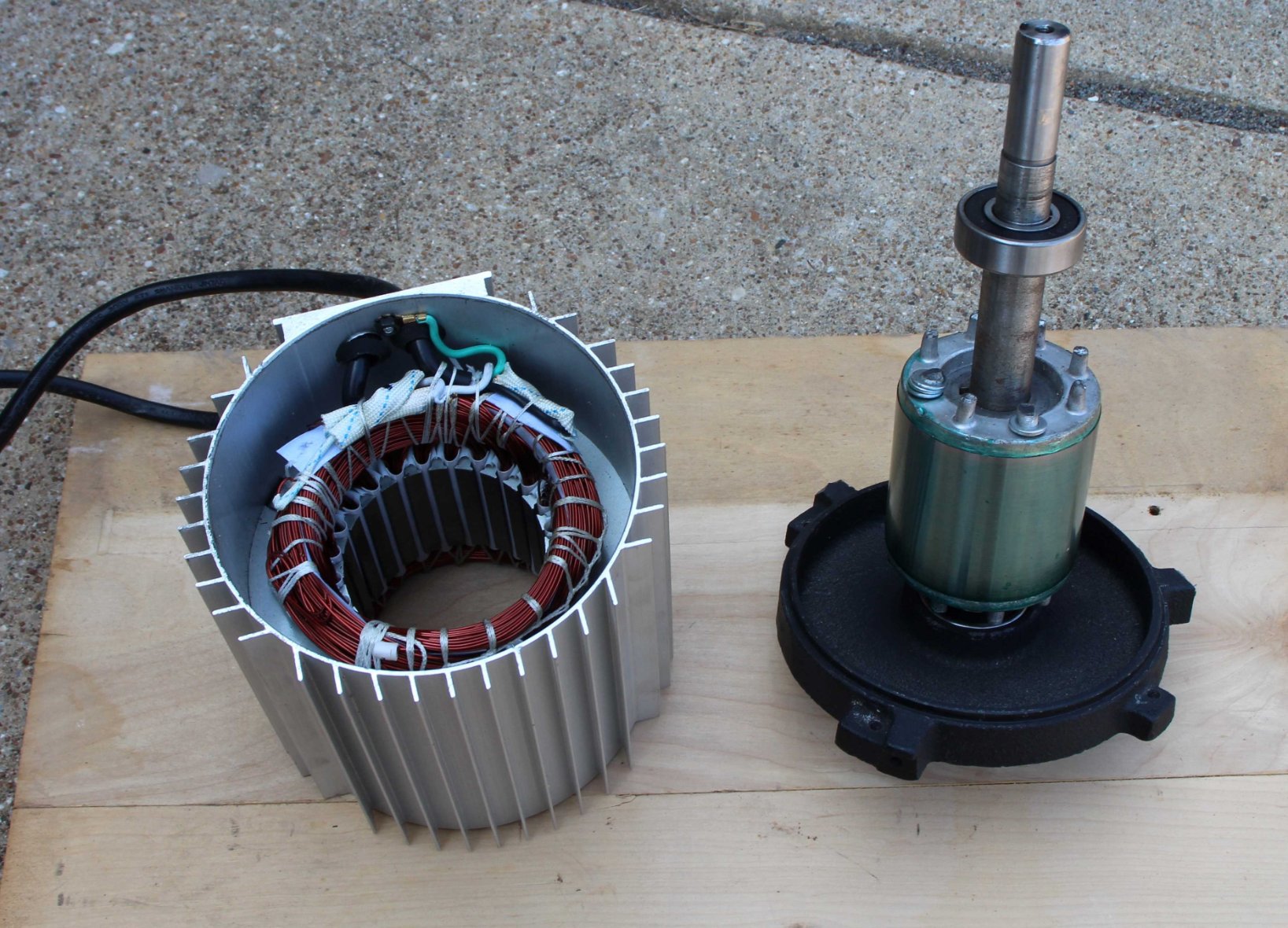
- IMG_9090 (2).JPG (354.96 KiB) Viewed 956 times
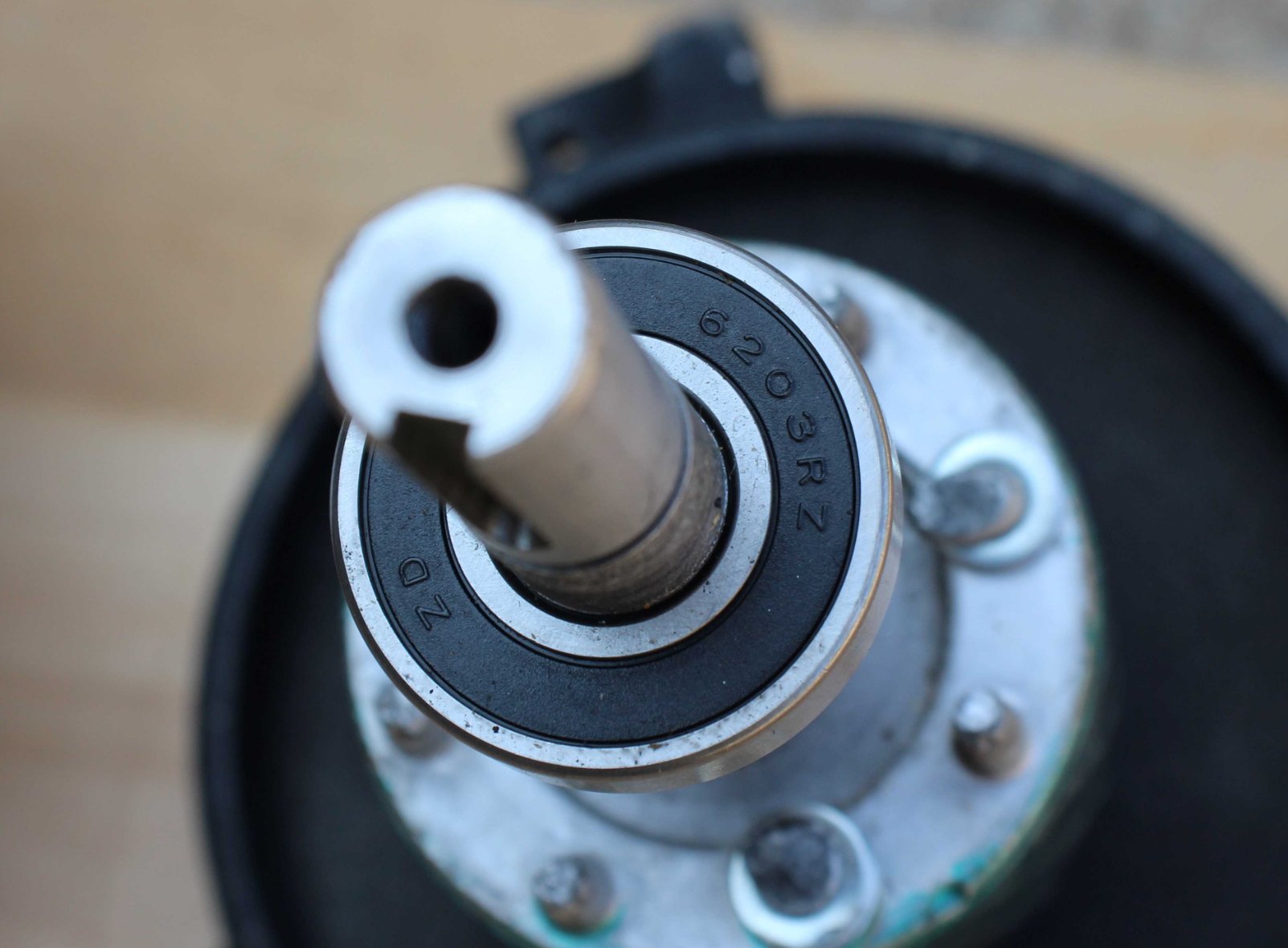
- IMG_9091 (2).JPG (156.16 KiB) Viewed 956 times
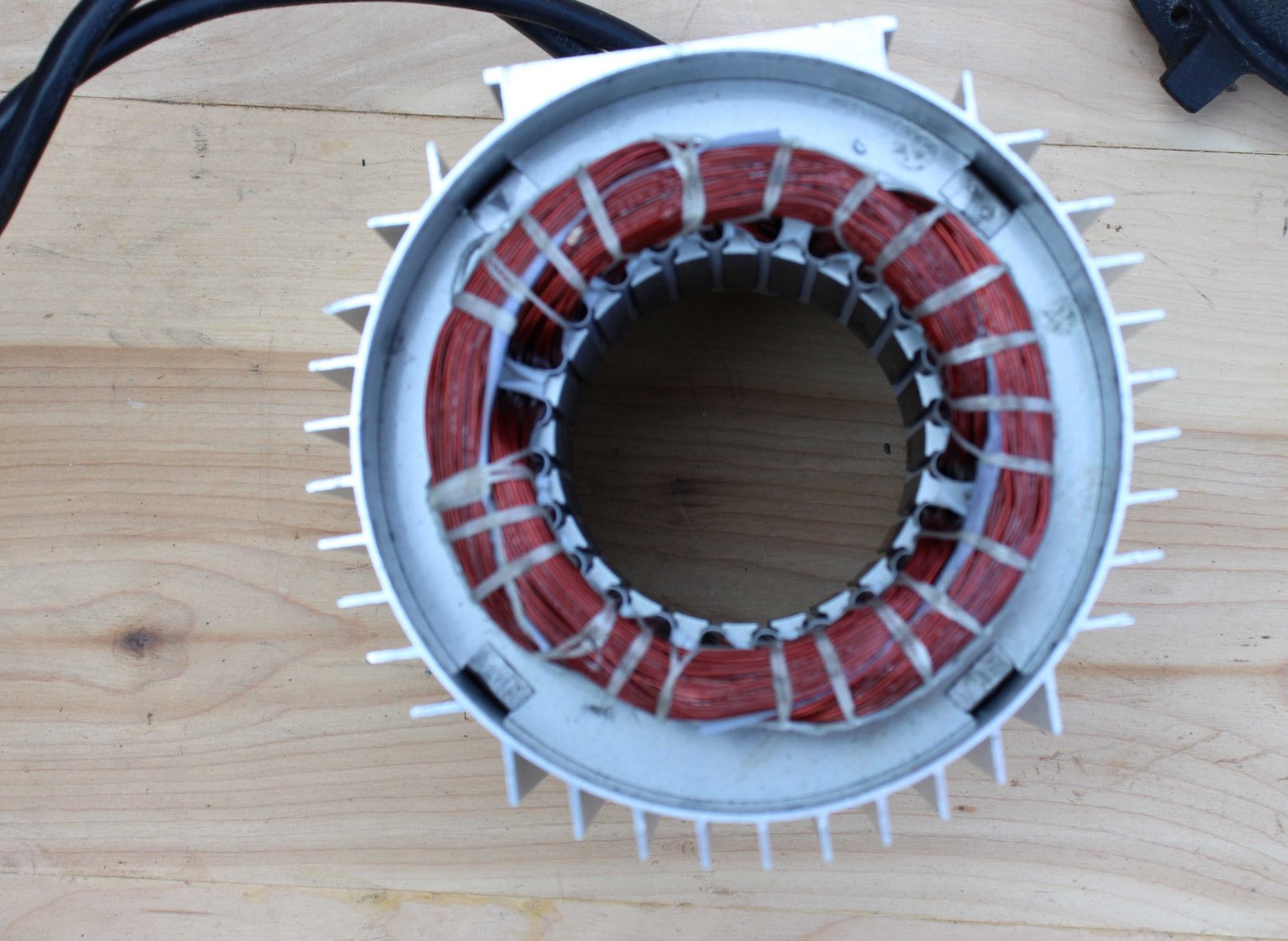
- IMG_9092 (2).JPG (249.81 KiB) Viewed 956 times
- David
Re: DC-6000 Motor
Posted: Thu Sep 02, 2021 3:08 pm
by dusty
DLB wrote: Thu Sep 02, 2021 12:40 pm
Due to an error on my part, I have some information on the internals of the DC-6000 Motor to share. I backed out the external ground screw, first pic, and learned that there was a nut and wiring connection on the inside. (Learning things the hard way is good for retaining the lesson.
) At that point I felt it was prudent to pop the hood so the parts could be re-attached. And as long as it was open I might as well share. I also plan to re-clock the back end-cap 180 degrees because Dusty mentioned that he thought there was interference with the housing if one re-clocked the whole motor. This will create a more direct route for the cables to exit the main housing, lower right on the motor, and eliminate the turns near the end of the motor housing.
IMG_9093 (2).JPG
Of note: 1) My motor housing already had sawdust inside it after less than two hours of operation, none actually as a dust collector. As mentioned elsewhere, my dust collector leaked quite a bit of sawdust exiting the grate where the motor and main housings meet. 2) The motor internals exhibit no obvious sign of circuitry common to others, like: terminal connections, start switching circuitry, thermal or overcurrent protection, etc.) 3) The stator coils are somewhat aft compared to other motors.
IMG_9090 (2).JPG
IMG_9091 (2).JPG
IMG_9092 (2).JPG
- David
Thank you, Dave. Very interesting. If reclocking works to move the power cord to the 5 o'clock position I feel that doing so will reduce the likelyhood of future problems with the power cord.
Re: DC-6000 Motor
Posted: Thu Sep 02, 2021 7:28 pm
by RFGuy
DLB wrote: Thu Sep 02, 2021 12:40 pm
Of note: 1)
My motor housing already had sawdust inside it after less than two hours of operation, none actually as a dust collector. As mentioned elsewhere, my dust collector leaked quite a bit of sawdust exiting the grate where the motor and main housings meet.
- David
David,
Thanks again for sharing and diving deeper. Just for my understanding, when you say "motor housing" you mean to say that sawdust actually got inside the motor itself, correct? I had been referring to the plastic enclosure that this motor mounts inside as "motor housing", but I don't know if it is referred to as such in the parts list. Anyway, sorry if my previous terminology on the other thread added confusion. If sawdust has already gotten inside the motor then that is surprising and alarming; definitely confirms that implementing proper seals is imperative.
Re: DC-6000 Motor
Posted: Thu Sep 02, 2021 7:58 pm
by dusty
I do hope that the "motor Housing" that has dust is the Motor Housing that the motor mounts in and NOT the aluminum shell around the motor.
Re: DC-6000 Motor
Posted: Thu Sep 02, 2021 9:13 pm
by DLB
Sorry, I should have said motor case or casing to differentiate. Yes, I had sawdust inside the motor itself. I was surprised, the motor is reasonably well closed up. It was not a large amount and it was small bits, similar to what I saw leaking when I first ran the machine. I have no explanation. The motor is not sealed but pretty well enclosed. The electrical cables are a little loose in the grommets, which are a little loose in the holes. Maybe related to those holes being near the front of the motor where I think the main leak was occurring? Sawdust would be entering the motor housing there with some energy and might make it past the grommets. I'm guessing. But I don't think that there'd be sawdust in the motor without the leak into the housing to start with. And the bearings are sealed (RZ - I had to look that up).
- David
Re: DC-6000 Motor
Posted: Fri Sep 03, 2021 5:30 am
by dusty
DLB wrote: Thu Sep 02, 2021 9:13 pm
Sorry, I should have said motor case or casing to differentiate. Yes, I had sawdust inside the motor itself. I was surprised, the motor is reasonably well closed up. It was not a large amount and it was small bits, similar to what I saw leaking when I first ran the machine. I have no explanation. The motor is not sealed but pretty well enclosed. The electrical cables are a little loose in the grommets, which are a little loose in the holes. Maybe related to those holes being near the front of the motor where I think the main leak was occurring? Sawdust would be entering the motor
housing there with some energy and might make it past the grommets. I'm guessing.
But I don't think that there'd be sawdust in the motor without the leak into the housing to start with. And the bearings are sealed (RZ - I had to look that up).
- David
We have had this conversation but I am still not understanding. A leak in the motor housing??? One entire end of the motor housing is open to the world. Are you talking about the gap across the top ?
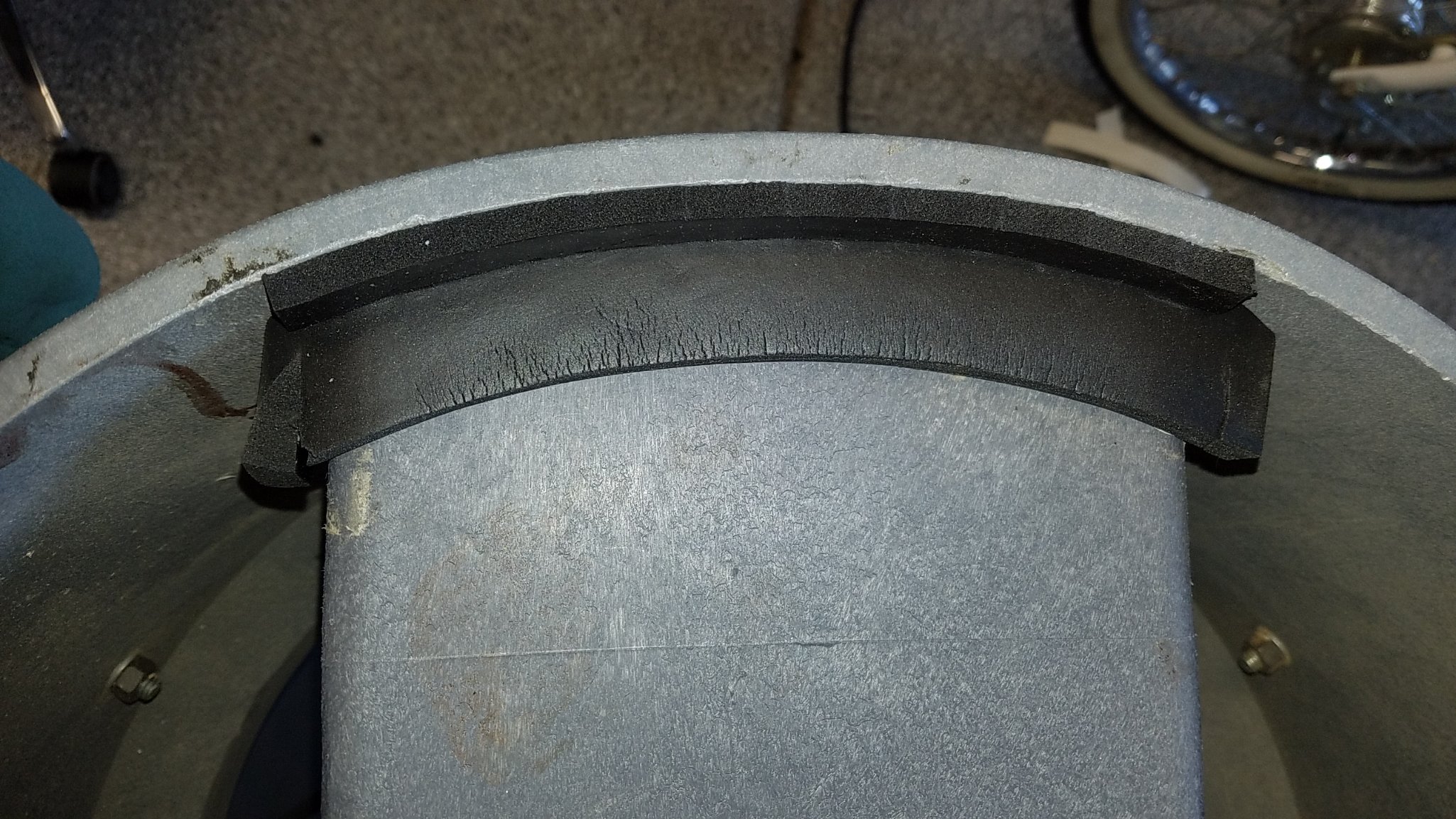
- Two Pieces of Foam Tape Wraps Over the Corners
- Air Gap Sealed.jpg (530.07 KiB) Viewed 884 times
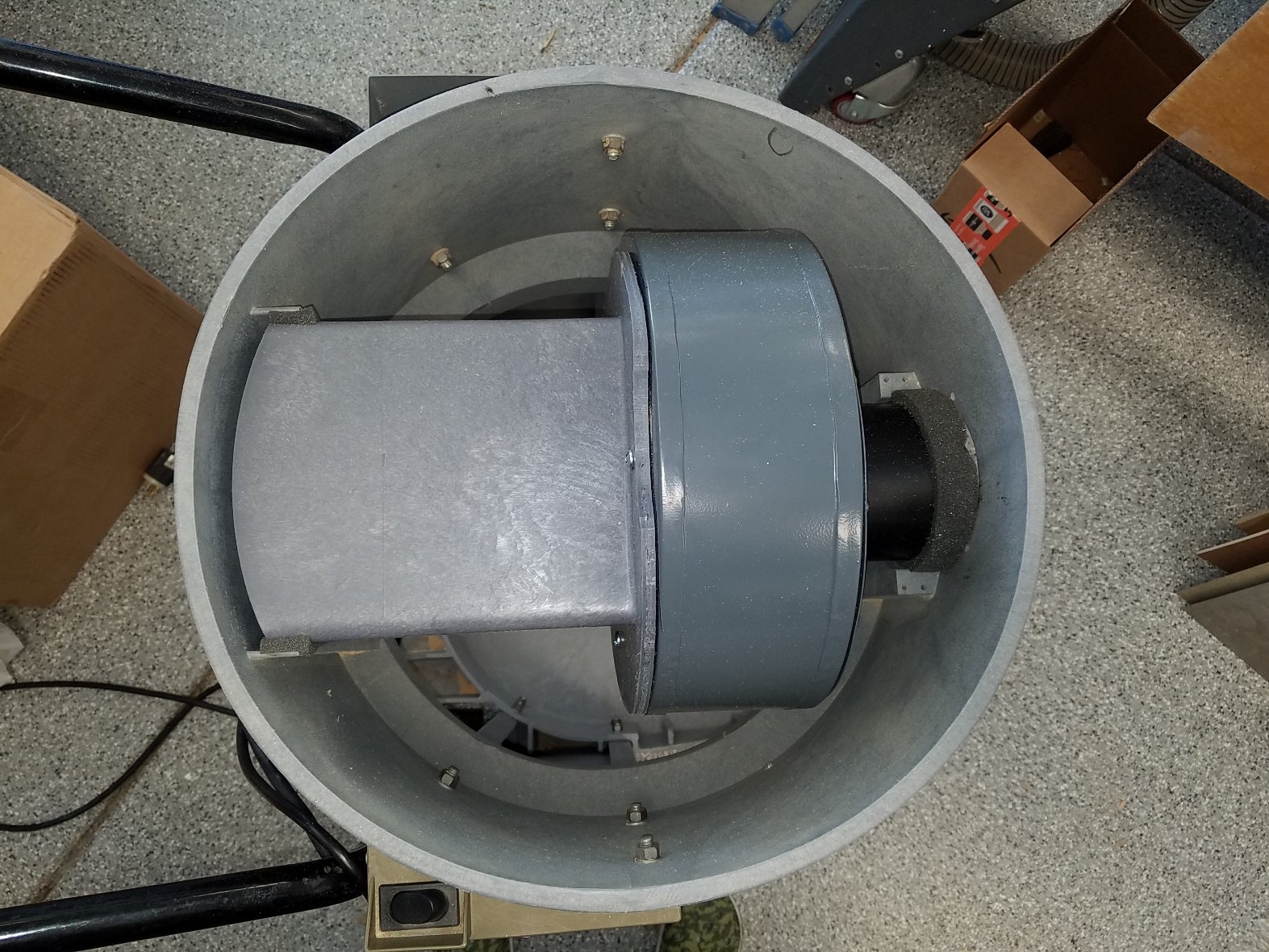
- Gap That Could Have Been Out
- DC-6000 in Main Housing.jpg (389.11 KiB) Viewed 884 times
With regard to saw dust, that is what you might call "a hostile environment". This was the day a took the DC-3300 out of commission to do the upgrade.
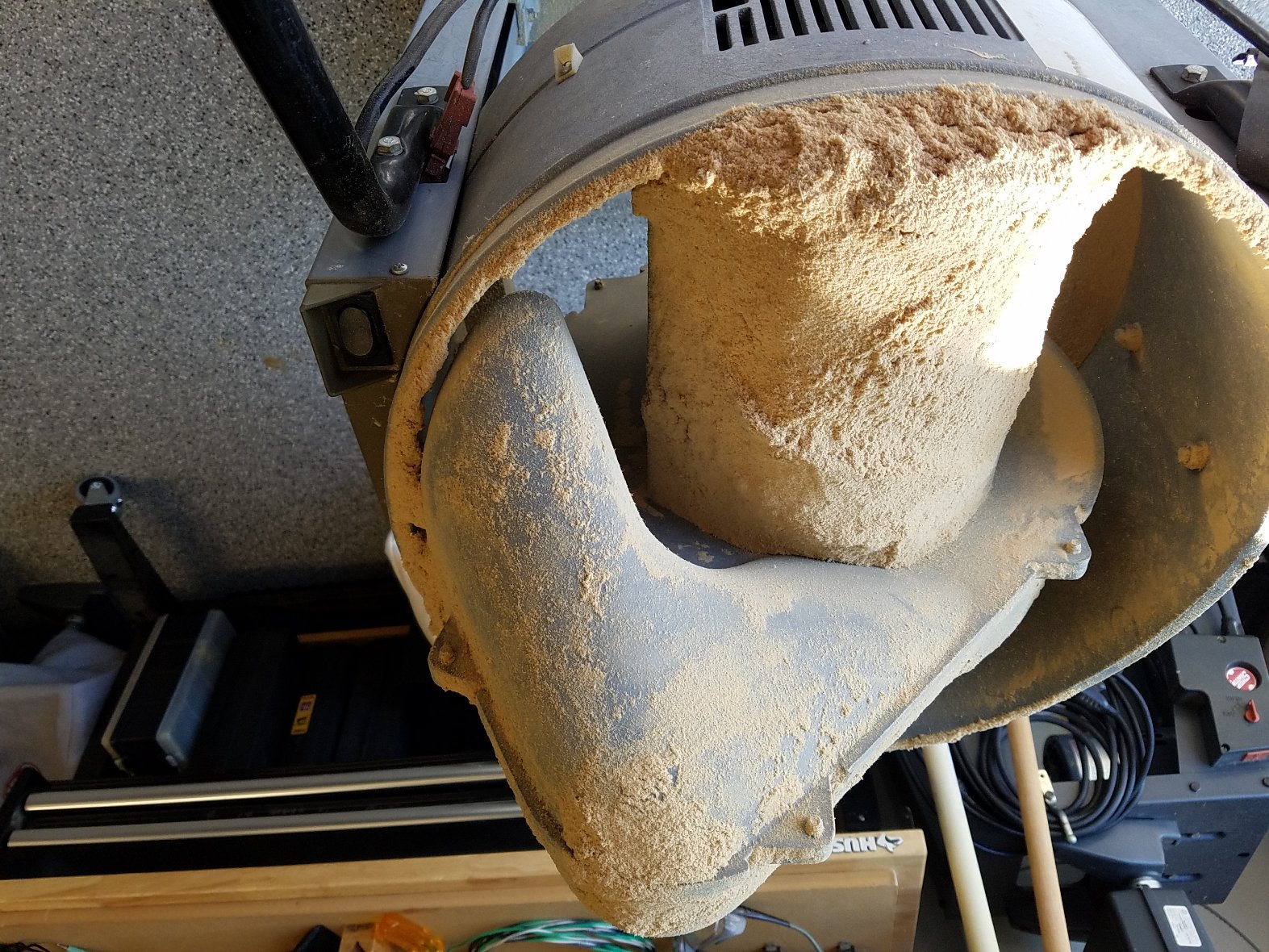
- A Bit of Dust
- 20210627_073026.jpg (470.3 KiB) Viewed 874 times
Re: DC-6000 Motor
Posted: Fri Sep 03, 2021 9:29 am
by Ed in Tampa
DLB wrote: Thu Sep 02, 2021 9:13 pm
Sorry, I should have said motor case or casing to differentiate. Yes, I had sawdust inside the motor itself. I was surprised, the motor is reasonably well closed up. It was not a large amount and it was small bits, similar to what I saw leaking when I first ran the machine. I have no explanation. The motor is not sealed but pretty well enclosed. The electrical cables are a little loose in the grommets, which are a little loose in the holes. Maybe related to those holes being near the front of the motor where I think the main leak was occurring? Sawdust would be entering the motor
housing there with some energy and might make it past the grommets. I'm guessing. But I don't think that there'd be sawdust in the motor without the leak into the
housing to start with. And the bearings are sealed (RZ - I had to look that up).
- David
Wow dust inside the motor itself. I give it a short life. I think I would seal it when I put it back together.
Re: DC-6000 Motor
Posted: Fri Sep 03, 2021 9:59 am
by dusty
Ed in Tampa wrote: Fri Sep 03, 2021 9:29 am
DLB wrote: Thu Sep 02, 2021 9:13 pm
Sorry, I should have said motor case or casing to differentiate. Yes, I had sawdust inside the motor itself. I was surprised, the motor is reasonably well closed up. It was not a large amount and it was small bits, similar to what I saw leaking when I first ran the machine. I have no explanation. The motor is not sealed but pretty well enclosed. The electrical cables are a little loose in the grommets, which are a little loose in the holes. Maybe related to those holes being near the front of the motor where I think the main leak was occurring? Sawdust would be entering the motor
housing there with some energy and might make it past the grommets. I'm guessing. But I don't think that there'd be sawdust in the motor without the leak into the
housing to start with. And the bearings are sealed (RZ - I had to look that up).
- David
Wow dust inside the motor itself. I give it a short life. I think I would seal it when I put it back together.
Are you really all that surprised? Do you not think there was dust inside of the DC-3300 motor? This is the motor from my 20+ year old DC-3300 when I pulled it out in preparation for the upgrade.
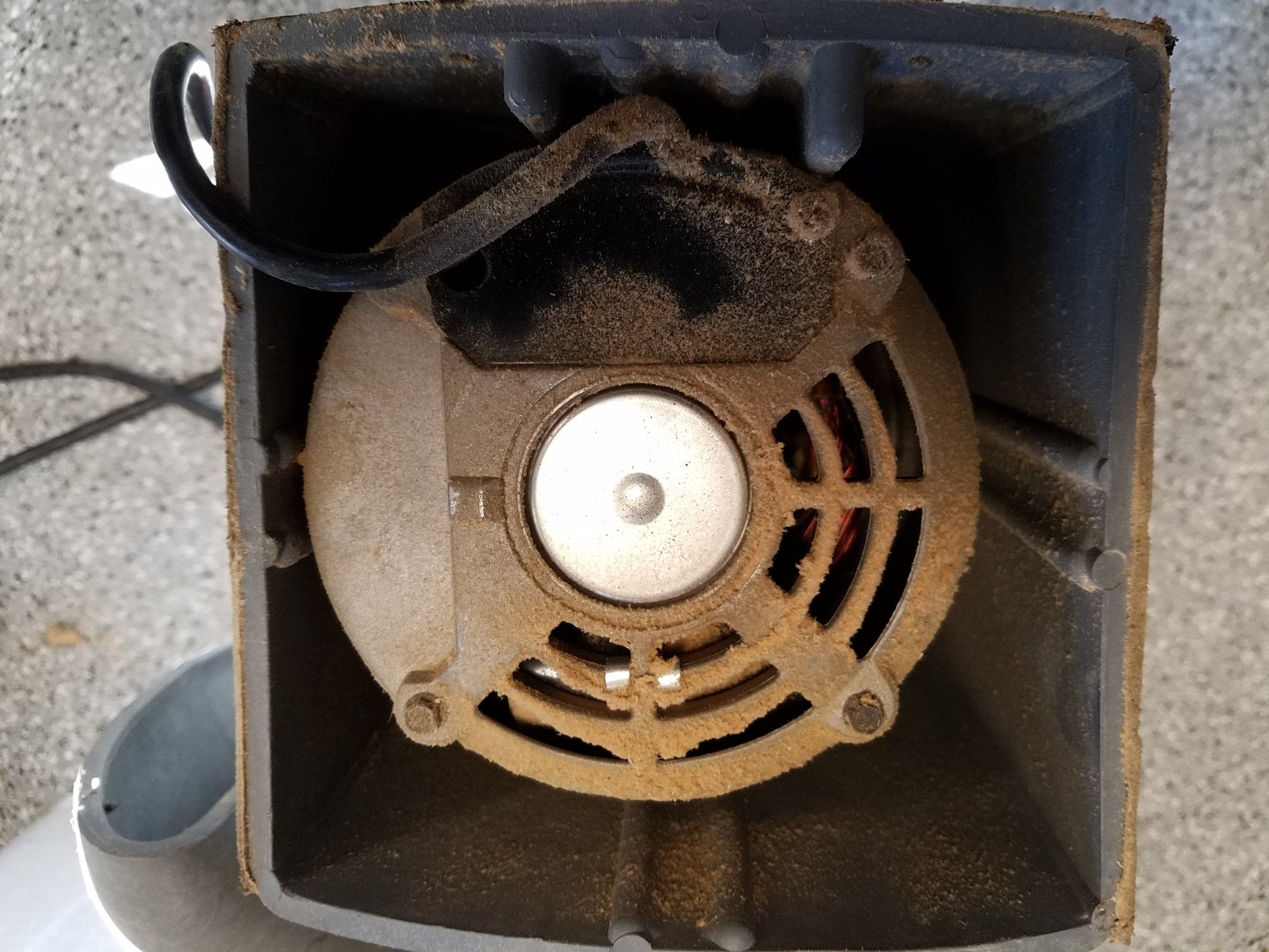
- DC-3300 motor right after pulling the motor housing
- 20210728_072232.jpg (331.58 KiB) Viewed 857 times
Re: DC-6000 Motor
Posted: Fri Sep 03, 2021 10:57 am
by algale
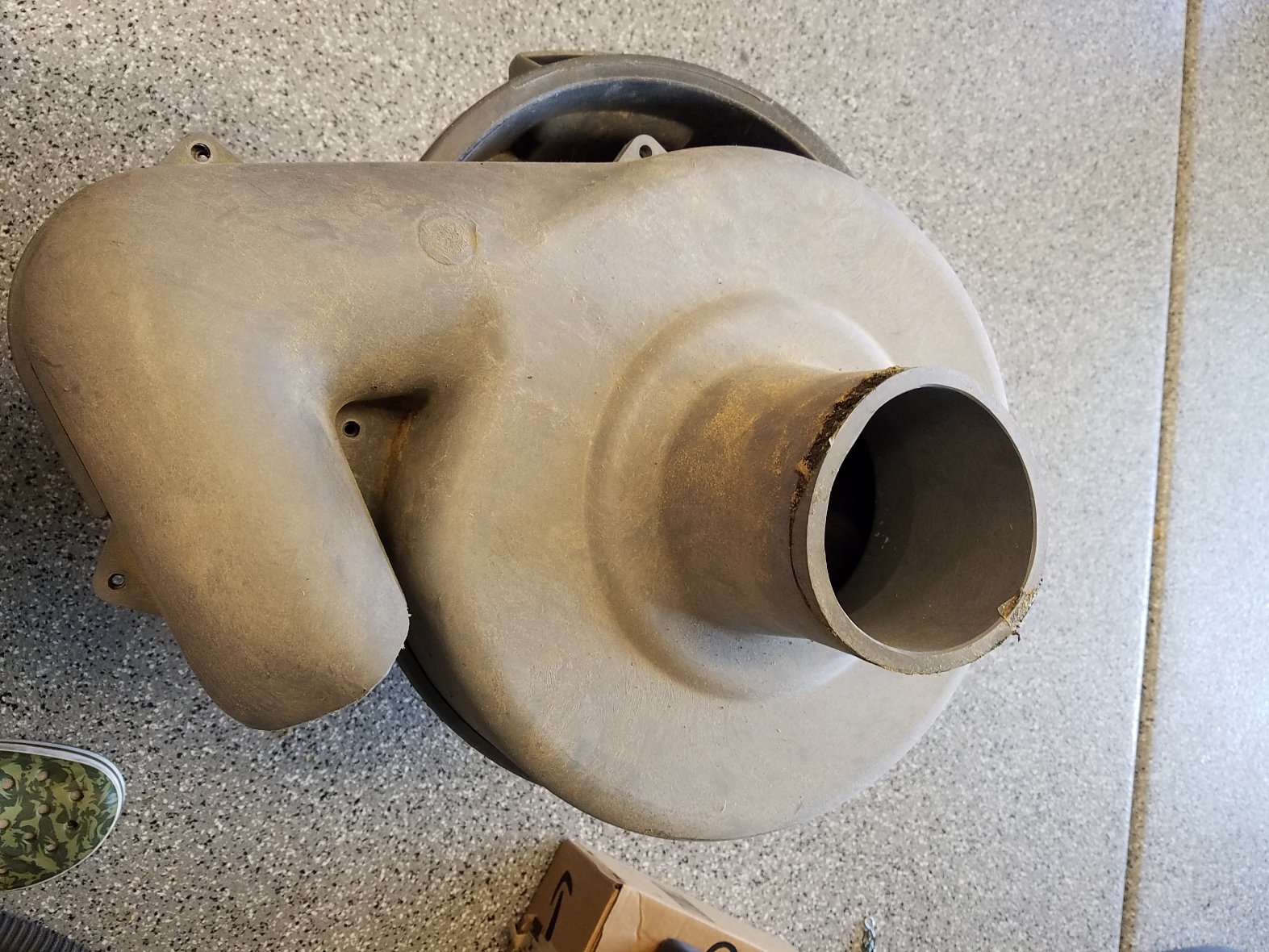
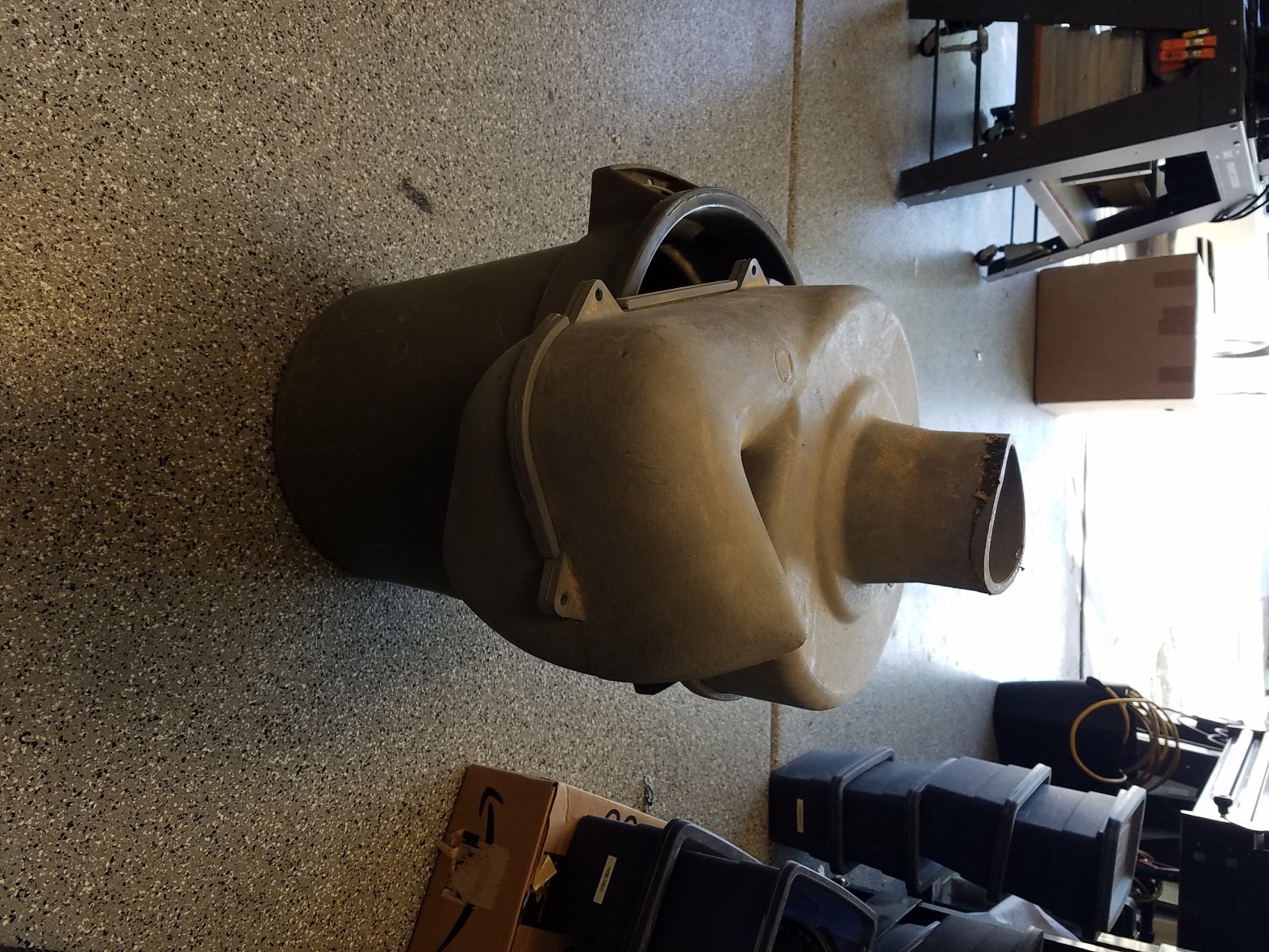
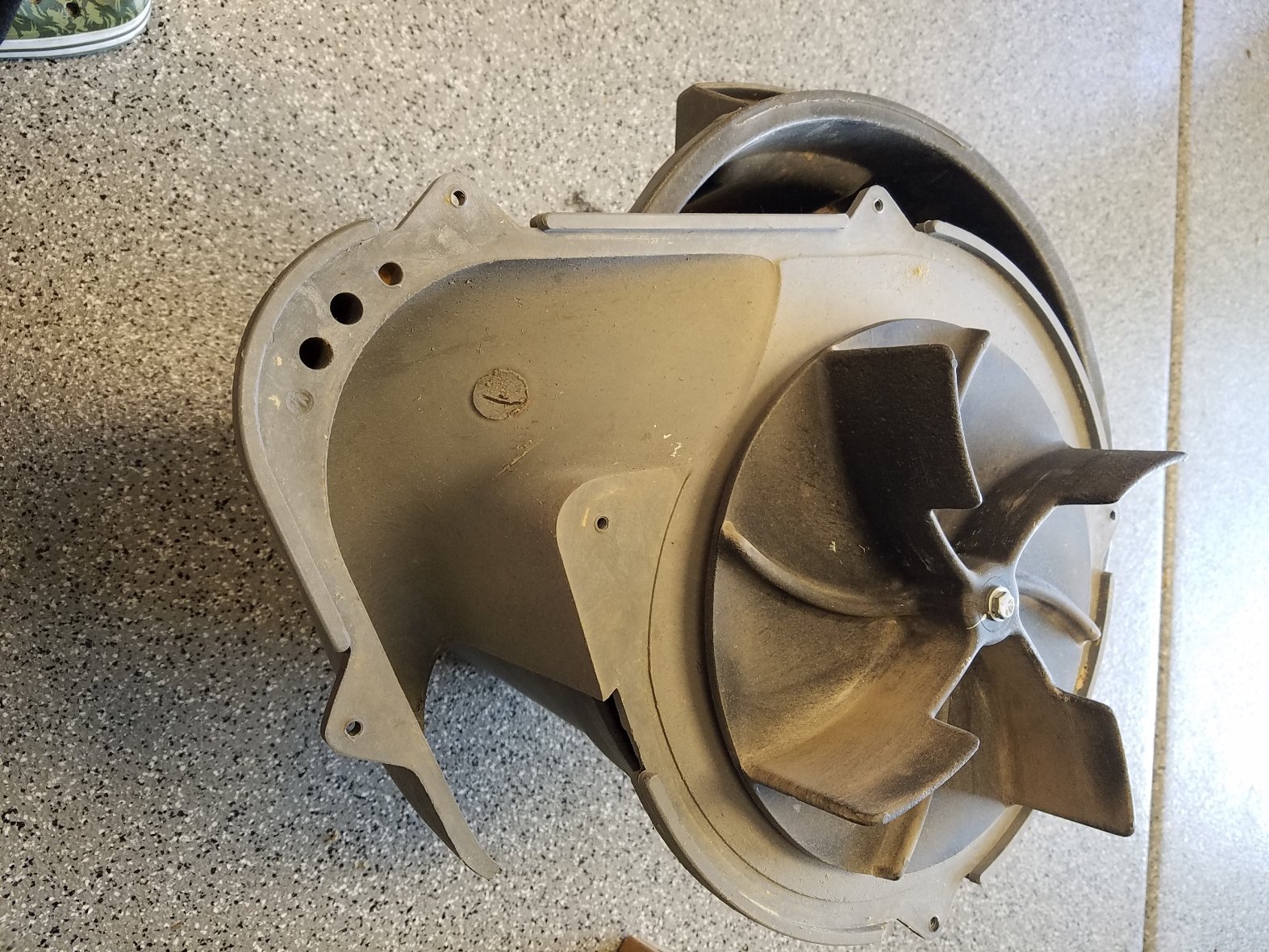
So what is/was the big "elbow" thingy in the DC3300 and how come there's nothing like it in the DC6000 upgrade?
Re: DC-6000 Motor
Posted: Fri Sep 03, 2021 11:26 am
by dusty
algale wrote: Fri Sep 03, 2021 10:57 am
So what is/was the big "elbow" thingy in the DC3300 and how come there's nothing like it in the DC6000 upgrade?
The elbow is the air path from within the fan housing to the dust collection area. In the DC-6000 it is a downward chute off the side of the fan housing.
- 20210730_082556.jpg (373.31 KiB) Viewed 836 times
- 20210730_082609.jpg (408.39 KiB) Viewed 836 times
- 20210730_082632.jpg (425.28 KiB) Viewed 836 times