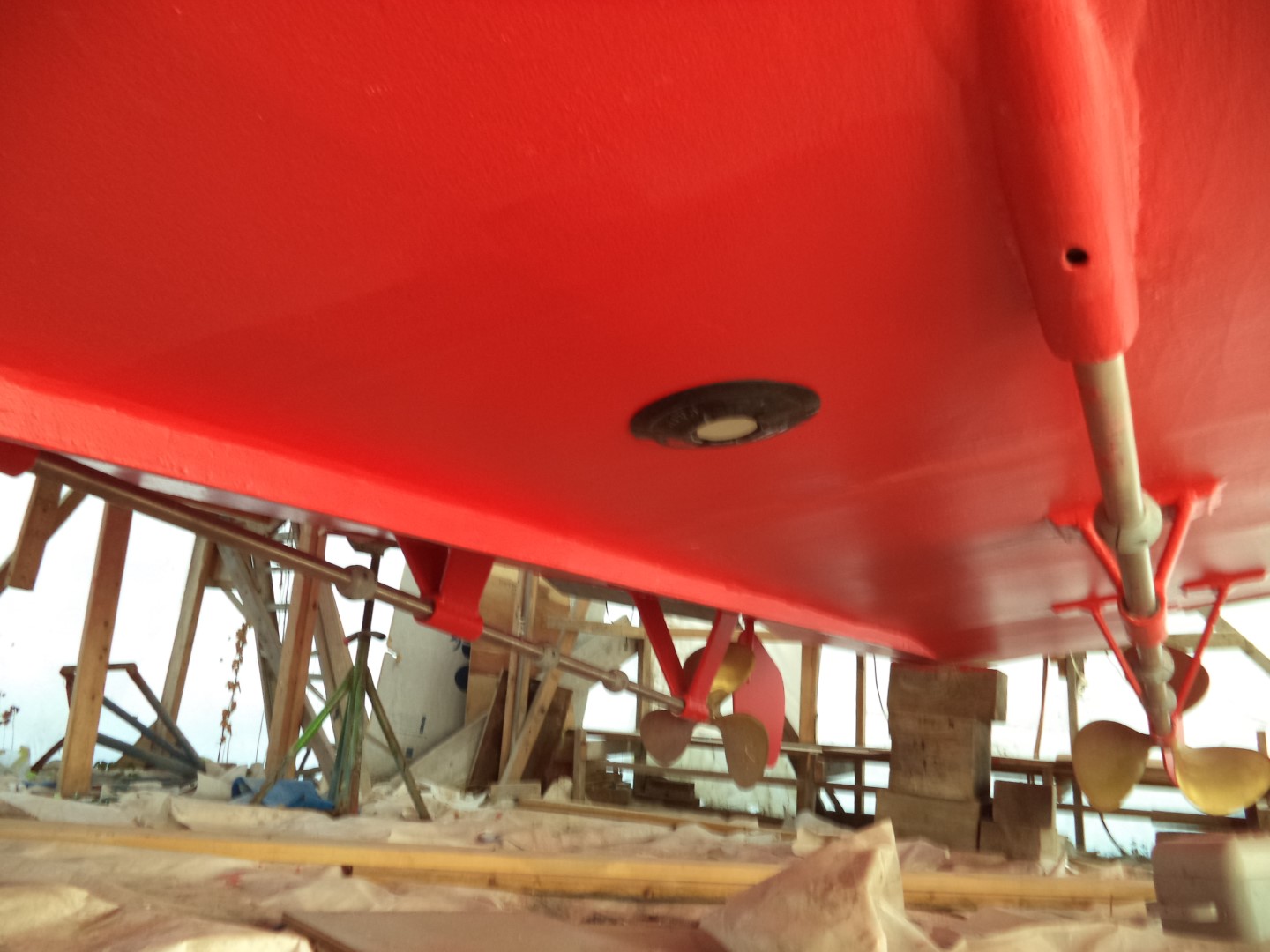
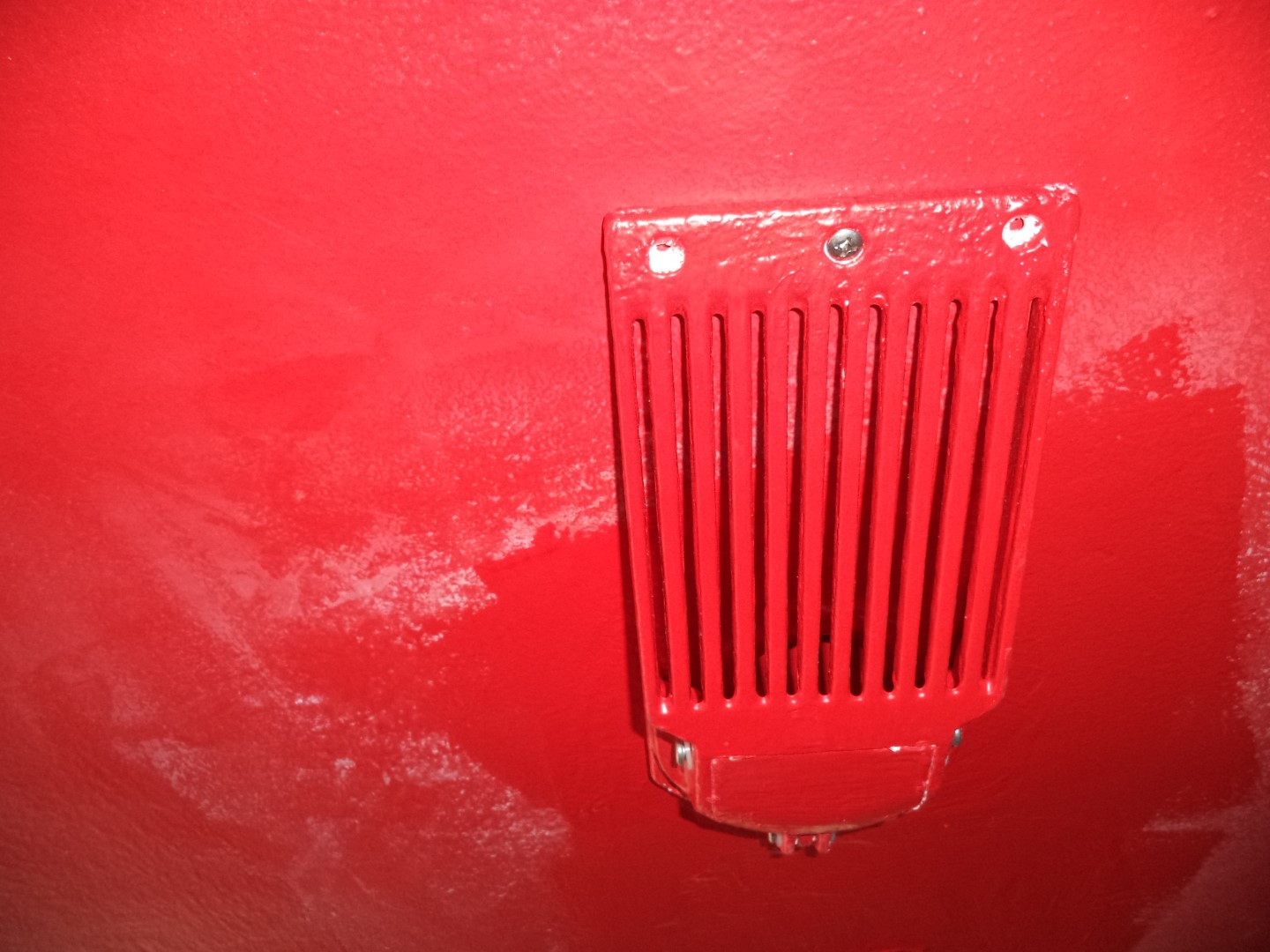
Chris Craft started installing Engelhard Impressed Current Cathodic Protection Systems (Cathodic Protection Automatically Controlled, or CAPAC for short) on all of the Roamer metal boat models in the 1960s. When I started this refit, I had no idea that these systems even existed. So when I saw the biggest pit in the hull in close proximity to a thing that looked like a plastic picnic plate (the bottom paint in the area also looked like it had been cooked), I decided that whatever it was, my boat was better off without it. I removed the picnic plates (there were two of them) and stupidly threw them in the trash.
As the refit progressed and I learned a thing or two, I realized that what I'd done was a big mistake. With a properly functioning CAPAC system, you don't need zincs. And with a properly installed CAPAC system, you don't get the hull pitting that I found on my boat. So I did a bunch of research, found an original manual for the model of CAPAC my boat came with, and I found a company in Florida that still sells the 'plastic picnic plates'.
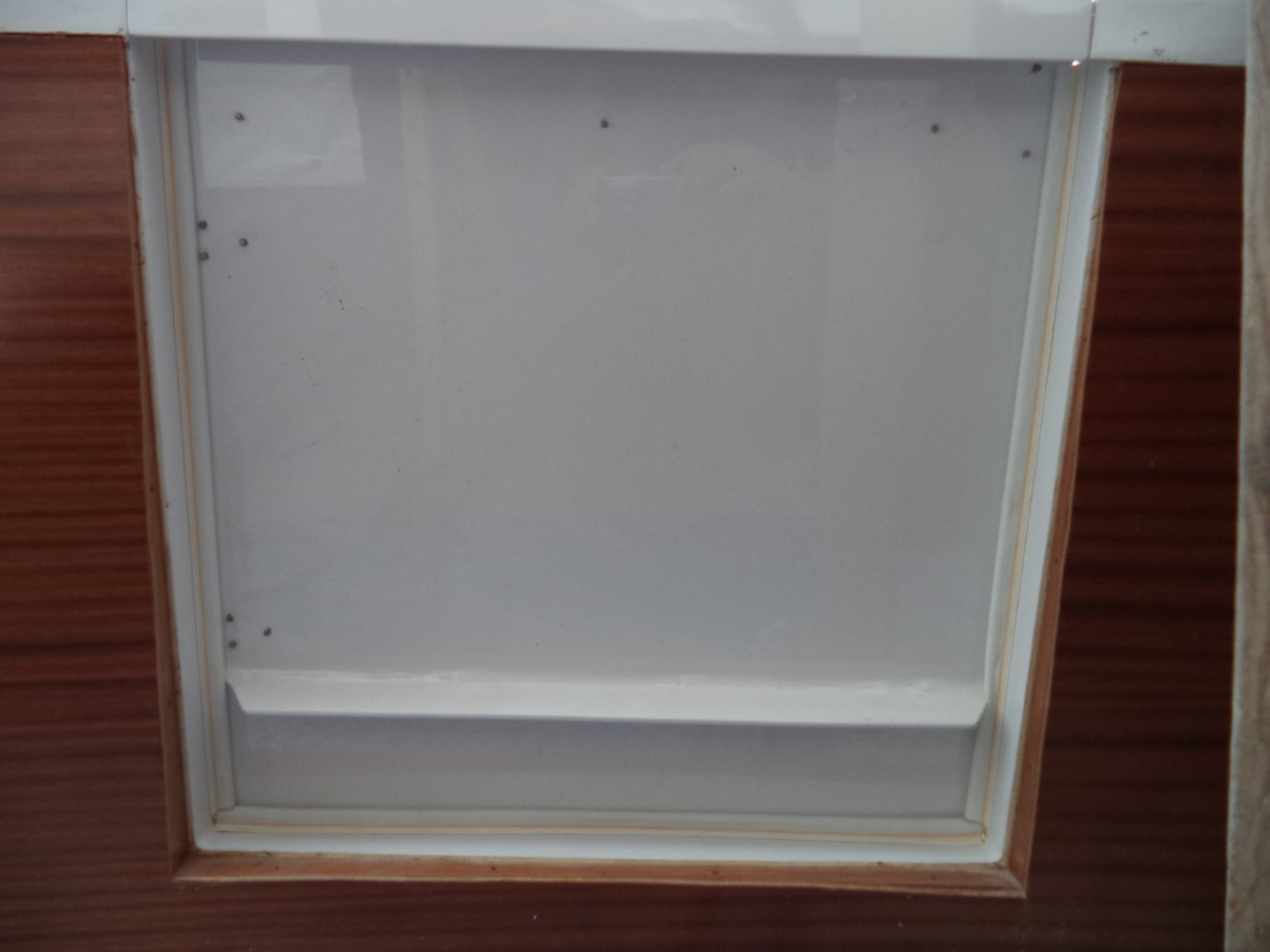
One plate is the anode that pushes current (at 12vdc) out into the water to "polarize" any exposed underwater metal on the boat. The other plate is the reference cell that senses the degree of polarization. Together they cost $1750...to replace the two perfectly good ones I threw in the trash because I was stupid. lol
Anyway, the new ones are installed and wired to the Engelhard panel I refurbed and reinstalled in the salon electrical panel a while ago. All I need to do is supply it with 12vdc and it's ready to 'polarlize' my hull and underwater metal when I splash in the Spring.
1969 Chris Craft Roamer 46 Refit: Installing the CAPAC Anti-Corrosion System
Cheers,
Q