Motor problems
Moderator: admin
Motor problems
I have been experincing a fail to start on my shopsmith mark 5 (500) due to dust getting on the inside the motor. Brought the motor to a repair shop and was told dust was the problem. It was cleaned at no charge. Every now and then, the motor will not start. I blow it out with compressed air and it starts again. Anyone else have this problem? Is there a permanent fix?
This is a common problem and if you do a lot of sanding with the Shopsmith, the fine sawdust will collect more often/quicker inside the motor. Your solution is the one I often use first for non-operational motors.weimerd wrote:I have been experincing a fail to start on my shopsmith mark 5 (500) due to dust getting on the inside the motor. Brought the motor to a repair shop and was told dust was the problem. It was cleaned at no charge. Every now and then, the motor will not start. I blow it out with compressed air and it starts again. Anyone else have this problem? Is there a permanent fix?
A few years ago, I cut a 4" round hole in the end of several motor pans to mount longer DC motors. The motor pan is a very difficult metal to cut. I ended up mounting a 4" louver and screen over the round hole and remounted a Shopsmith motor in the motor pan. Since I do very little sanding, this may not be a good test but when I removed the motor pan a few years later, there was no sawdust inside the headstock or inside the motor. The whole headstock operated many degrees cooler with this 4" hole in the motor pan end.
Bill Mayo bill.mayo@verizon.net
Shopsmith owner since 73. Sell, repair and rebuild Shopsmith, Total Shop & Wood Master headstocks, SPTs, attachments, accessories and parts. US Navy 1955-1975 (FTCS/E-8)
Shopsmith owner since 73. Sell, repair and rebuild Shopsmith, Total Shop & Wood Master headstocks, SPTs, attachments, accessories and parts. US Navy 1955-1975 (FTCS/E-8)
Since my motor burned up I have wondered why the Shopsmith was designed with a "fan" sheave but no designated way of moving air in and out of the headstock. 
Is there a high-limit switch somewhere I don't know about that would cause the motor to not start when hot? I'm certainly NOT an expert on this (I'll defer to Bill Mayo) but I would think that if the motor was hot, it would just burn up instead of fail to start. Or is my thinking incorrect here? Is there a fail-safe in newer start capacitors that my old A.O. Smith motor didn't have? Maybe it's going to differ by the motor make and model - there's quite a few out there. I wonder if instead of this being a heat issue, it's not an issue of dust interfering with a contact somewhere that's removed when his motor is blown out?
Weimerd, which motor do you have (brand) and what's the serial number of your SS (for dating the age of the machine)?
Is there a high-limit switch somewhere I don't know about that would cause the motor to not start when hot? I'm certainly NOT an expert on this (I'll defer to Bill Mayo) but I would think that if the motor was hot, it would just burn up instead of fail to start. Or is my thinking incorrect here? Is there a fail-safe in newer start capacitors that my old A.O. Smith motor didn't have? Maybe it's going to differ by the motor make and model - there's quite a few out there. I wonder if instead of this being a heat issue, it's not an issue of dust interfering with a contact somewhere that's removed when his motor is blown out?
Weimerd, which motor do you have (brand) and what's the serial number of your SS (for dating the age of the machine)?
-
JPG

- Platinum Member
- Posts: 35600
- Joined: Wed Dec 10, 2008 7:42 pm
- Location: Lexington, Ky (TAMECAT territory)
ddvann79 wrote:Since my motor burned up I have wondered why the Shopsmith was designed with a "fan" sheave but no designated way of moving air in and out of the headstock.
. . .
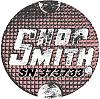
SN plate == vent plate == intake.
Louvre on bottom of motor pan == exhaust.
Air flows in vent plate(and any other opening) circulates around the idler shaft and is stirred up by the sheaves, then on over the motor and in the vent holes in the far end of the motor, through the motor and out the vent holes in the shaft end, on to the fan sheave then out the louvre in the pan bottom. Not a lot of flow, but it does exist.
No internal temp limit protection(that's why they do 'burn ').
╔═══╗
╟JPG ╢
╚═══╝
Goldie(Bought New SN 377425)/4" jointer/6" beltsander/12" planer/stripsander/bandsaw/powerstation /Scroll saw/Jig saw /Craftsman 10" ras/Craftsman 6" thicknessplaner/ Dayton10"tablesaw(restoredfromneighborstrashpile)/ Mark VII restoration in 'progress'/ 10E[/size](SN E3779) restoration in progress, a 510 on the back burner and a growing pile of items to be eventually returned to useful life. - aka Red Grange
╟JPG ╢
╚═══╝
Goldie(Bought New SN 377425)/4" jointer/6" beltsander/12" planer/stripsander/bandsaw/powerstation /Scroll saw/Jig saw /Craftsman 10" ras/Craftsman 6" thicknessplaner/ Dayton10"tablesaw(restoredfromneighborstrashpile)/ Mark VII restoration in 'progress'/ 10E[/size](SN E3779) restoration in progress, a 510 on the back burner and a growing pile of items to be eventually returned to useful life. - aka Red Grange
There is no fail-safe, over-heating or current limiter in any Shopsmith motor. The problem is dust/crud getting on the centrifugal switch contact points (later motors) causing them to burn over time and/or not make contact (motor will hum). The start relay (early 3/4 HP motors) coil windings can fail causing huming or excessive motor speed resulting in over-heating and burning of the coil windings (quite noisey too). I have not seen or hear of any Shopsmith motor over heating or burning up while it is operating, only when starting. When I can smell the motor overheating, it can burn/short within a few seconds if power is not immediately turned off.ddvann79 wrote:Is there a high-limit switch somewhere I don't know about that would cause the motor to not start when hot? I'm certainly NOT an expert on this (I'll defer to Bill Mayo) but I would think that if the motor was hot, it would just burn up instead of fail to start. Or is my thinking incorrect here? Is there a fail-safe in newer start capacitors that my old A.O. Smith motor didn't have? Maybe it's going to differ by the motor make and model - there's quite a few out there. I wonder if instead of this being a heat issue, it's not an issue of dust interfering with a contact somewhere that's removed when his motor is blown out?
If the Shopsmith is operating where a lot of sanding/sawing dust is created, I would recommend removing the motor from the motor every year or two and blow all the dust from the motor. I find that putting the headstock in the drill press position occasional and banging on the motor pan with a large rubber hammer while it is operating will be take care of removing most of the motor dust/crud.
Bill Mayo bill.mayo@verizon.net
Shopsmith owner since 73. Sell, repair and rebuild Shopsmith, Total Shop & Wood Master headstocks, SPTs, attachments, accessories and parts. US Navy 1955-1975 (FTCS/E-8)
Shopsmith owner since 73. Sell, repair and rebuild Shopsmith, Total Shop & Wood Master headstocks, SPTs, attachments, accessories and parts. US Navy 1955-1975 (FTCS/E-8)