What woods would you recommend for their construction?
How would you protect the wood (e.g. impregnating, varnish, etc.)?
What wall thickness would be sufficient?

Moderator: admin

Hi Chad,nebraska wrote:I'm wondering how functional and durable these "cap and ring" components - typically constructed of nickel silver - would be if they were made from wood. Would they adequately preform the task of holding a fly fishing reel to the reel seat? Would they last 50 years?
What woods would you recommend for their construction?
How would you protect the wood (e.g. impregnating, varnish, etc.)?
What wall thickness would be sufficient?
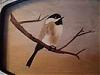
Following-up on what Ivan wrote, I recall making bracelets over 20 years ago using veneer. I would boil the veneer, strips 1 x 18 inches or longer, in water for five minutes or so till they were pliable and then wrap the veneer around a can to dry, securing them with copper wire. I'd place the cans on a wood stove so they'd dry quickly. After dry, I'd apply wood glue where the strips overlapped, using a couple of strips to increase the thickness of the bracelet, wrap them around the can again, secure with masking tape and let dry. Then I'd mount them on a mandrel on a lathe, use a skew chisel to clean up the edges and cut them into narrower widths, sand, finish, etc. Here's a picture of a couple of the bracelets:another possibility would be to take a very thin veneer and soak it in epoxy or CA so that it is flexible and then wrap it several layers thick around a mandrell with the grain running in the circumferential direction. once it hardens, you can slice rings as long as you want. my guess is that the rings wold hold up about as long as the guide ties do. maybe a bit longer. it might take a couple of tries to get the mandrell diameter and non-stick coating right.
Can a piece of burl be used? Burl has no grain direction, correct?shipwright wrote:You are going to have short grain problems. ....
Paul M

